



Let’s clear something up right away. When we talk about collagen, we’re not talking about turning back time or magically producing brand-new collagen like we did in our 20s. That’s not how the body works, and honestly, that kind of messaging just creates pressure and unrealistic expectations.
What we can do — and what actually matters — is supporting collagen, protecting what we already have, and slowing down how quickly it breaks down. And the good news? A lot of that comes down to simple, daily habits that fit into real life.
This is about aging well, not chasing youth. And yes, there’s a difference.
Collagen 101 (Without the Science Lesson)
Collagen gives skin its structure, firmness, and elasticity, which is why it plays such a big role in how skin looks and feels over time. As a result, it’s completely normal for skin to change as natural collagen production slows with age.
Instead of seeing this as something to fix, it helps to focus on supporting skin through consistent care and protection so it can continue to function well and age beautifully.
Can You Actually “Produce” Collagen Naturally?
This is where marketing gets confusing.
Your body does produce collagen, but you can’t force it to suddenly make more just by applying a product or drinking a supplement. Most of what’s marketed as “collagen-boosting” is really about supporting collagen integrity, hydration, and skin health.
And that’s not a bad thing — it’s just not the miracle language it’s often sold as.
When you understand this, skincare becomes a lot less stressful.
What Breaks Collagen Down Faster Than Anything
Before we talk about what helps, it’s important to understand what works against collagen.
Chronic stress, inflammation, sun exposure, dehydration, poor sleep, and aggressive skincare habits all contribute to collagen breakdown. Overdoing it often causes more harm than good.
This is why gentle, supportive habits tend to work better long-term than extremes.
DIY Skin Habits That Support Collagen Naturally
These are habits you can actually stick with. No needles. No pressure. No overhaul.
Hydration Comes First (Always)
Hydrated skin functions better, period.
When your body is dehydrated, skin loses that plump, resilient look. Supporting hydration — especially with minerals — helps skin cells hold onto moisture, which supports elasticity and glow.
This doesn’t mean obsessing over water intake. It means being consistent and intentional.
Protect the Skin Barrier
A healthy skin barrier is one of the most underrated collagen-support tools.
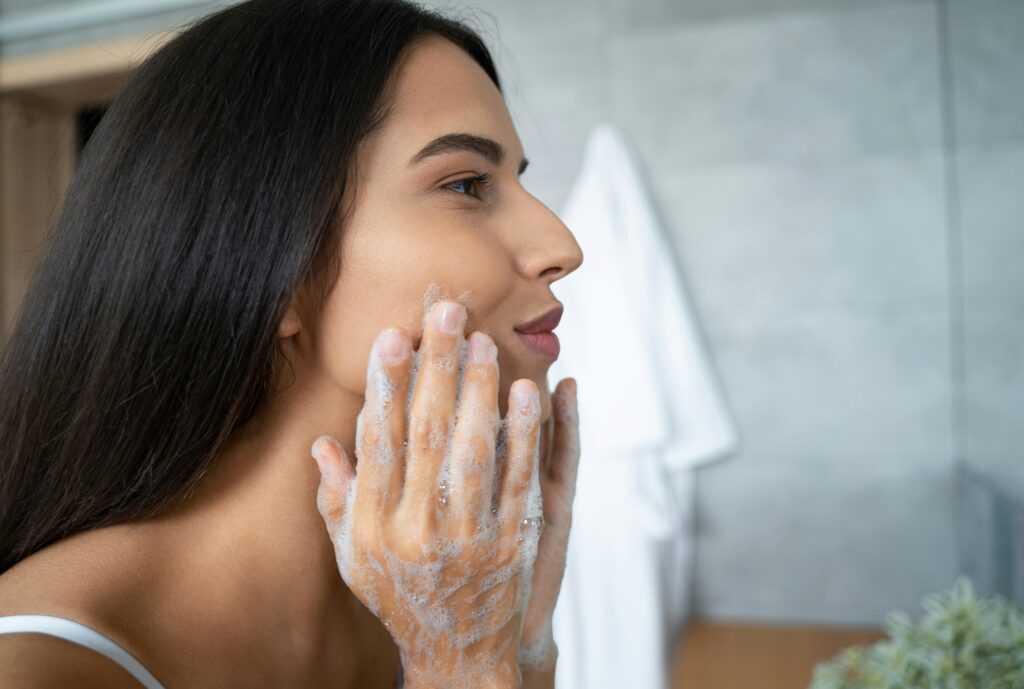
When the barrier is compromised, skin becomes inflamed, dry, and more prone to breakdown. Gentle cleansers, avoiding over-exfoliation, and using barrier-supporting moisturizers go a long way.
Think support, not stripping.
Gentle Exfoliation (Less Is More)
Exfoliation helps remove dull surface cells so skin looks brighter, but too much can backfire.
Over-exfoliating stresses the skin and increases inflammation, which works against collagen. Gentle exfoliation once or twice a week is plenty.
Your skin should feel calm after — not tight or irritated.
Daily Sun Protection Is Non-Negotiable
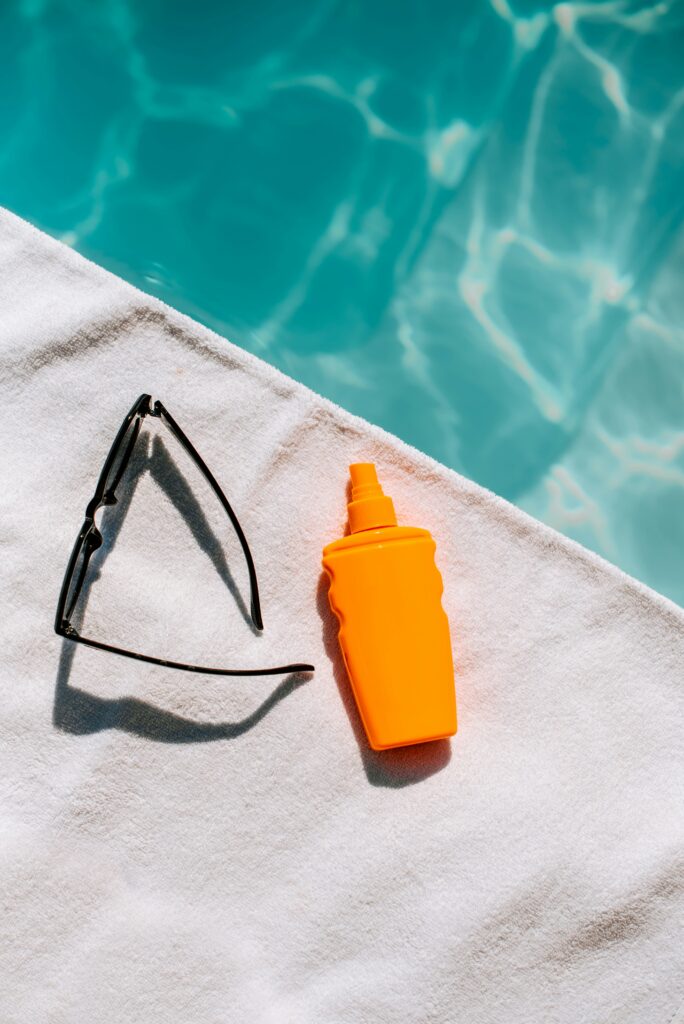
Sun exposure is one of the biggest contributors to collagen breakdown.
This isn’t about avoiding the sun completely. It’s about protecting your skin consistently so damage doesn’t add up over time.
A simple daily SPF is one of the most powerful collagen-support habits there is.
Red Light Therapy (Optional, Not Required)
Red light therapy gets talked about a lot for a reason — it can support skin health by helping reduce inflammation and supporting cellular function.
That said, it’s not mandatory. If it fits your lifestyle and budget, it can be a nice addition. If not, your skin will still benefit from the basics.
No pressure to do everything.
Nutrition That Supports Collagen (Without Obsession)
Skin reflects what’s happening inside the body.
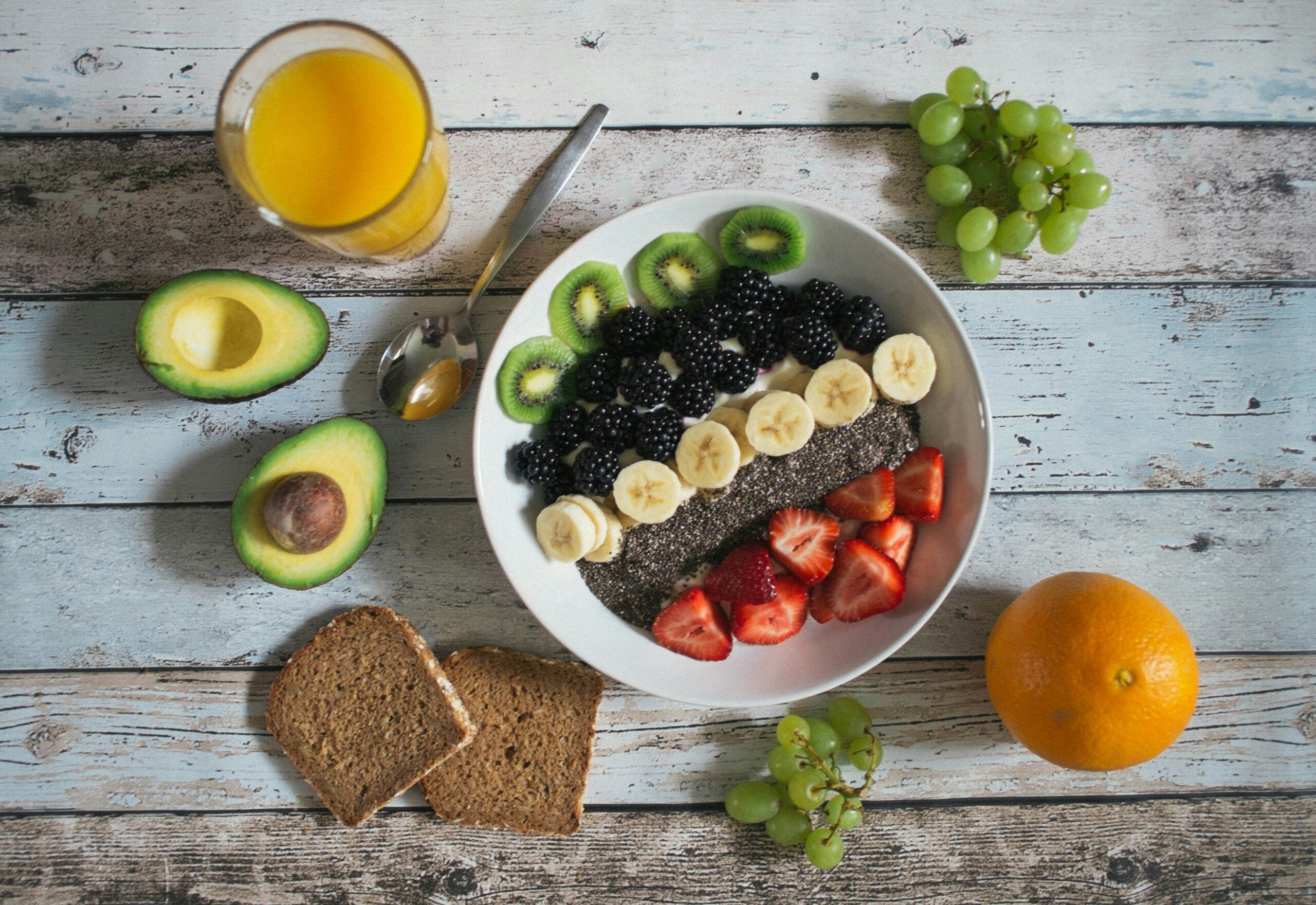
Protein provides the building blocks your body uses for skin repair. Vitamin C supports collagen formation. Healthy fats support skin elasticity and hydration.
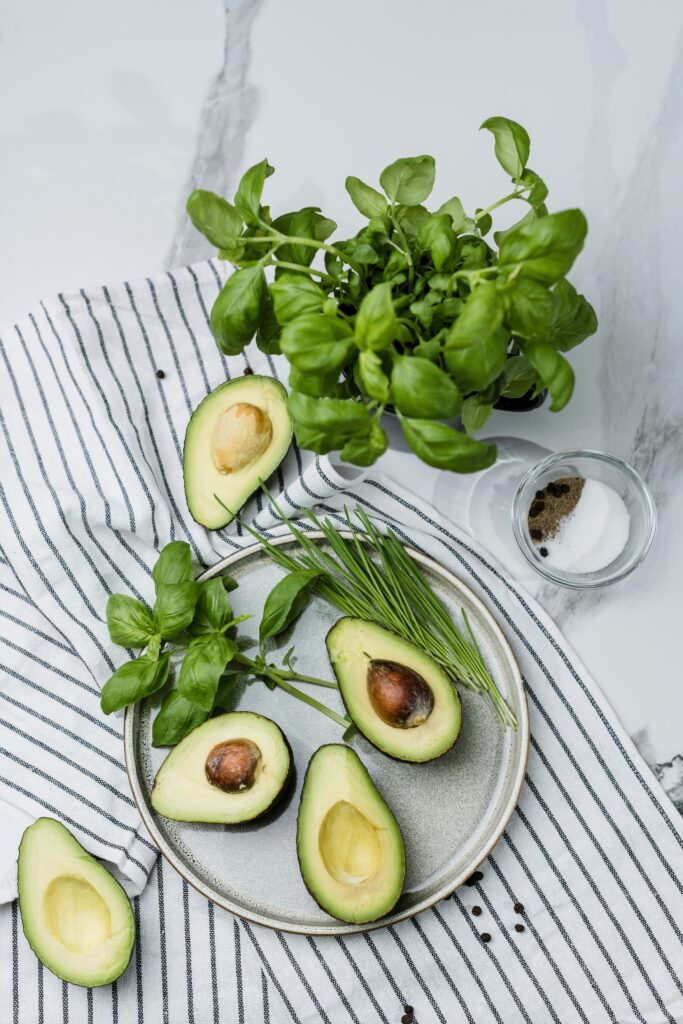
This doesn’t mean perfect eating. It means balanced meals most of the time.
Consistency beats perfection here too.
Stress Management Is a Skin Habit (Whether We Like It or Not)
Chronic stress increases cortisol, which accelerates collagen breakdown.
This is why emotional wellness matters for skin more than we often realize. When your nervous system is constantly overwhelmed, your skin feels it.
Small daily calming habits — walking, breathing, better boundaries — support skin health in ways no product can replace.
Sleep Is When Skin Repairs
Sleep is when your body focuses on repair and regeneration.
You don’t need perfect sleep every night, but supporting better sleep patterns helps skin recover more effectively. Even small improvements make a difference over time.

This isn’t about pressure — it’s about support.
Why Extreme Skincare Backfires
Aggressive treatments, harsh products, and constant switching often create more inflammation than improvement.
Supporting collagen naturally means working with your skin, not fighting it. Calm skin is resilient skin.
When skin feels safe, it functions better.
Emotional Wellness and Aging Gracefully
Here’s the part no one talks about enough.
Feeling confident in your skin isn’t about eliminating every line or change. It’s about feeling comfortable, supported, and at ease with yourself.
When skincare feels like self-care instead of self-criticism, everything shifts. That emotional ease shows up in how you carry yourself — and yes, how your skin looks too.
The Bottom Line
DIY skin habits that support collagen naturally aren’t about producing something new. They’re about protecting what you already have and creating an environment where your skin can age well.
No needles. No extremes. No chasing unrealistic results.
Just steady, supportive habits that fit real life and help you feel good in your skin — now and moving forward.
From my heart to yours,
Monica 💛









+ show Comments
- Hide Comments
add a comment