


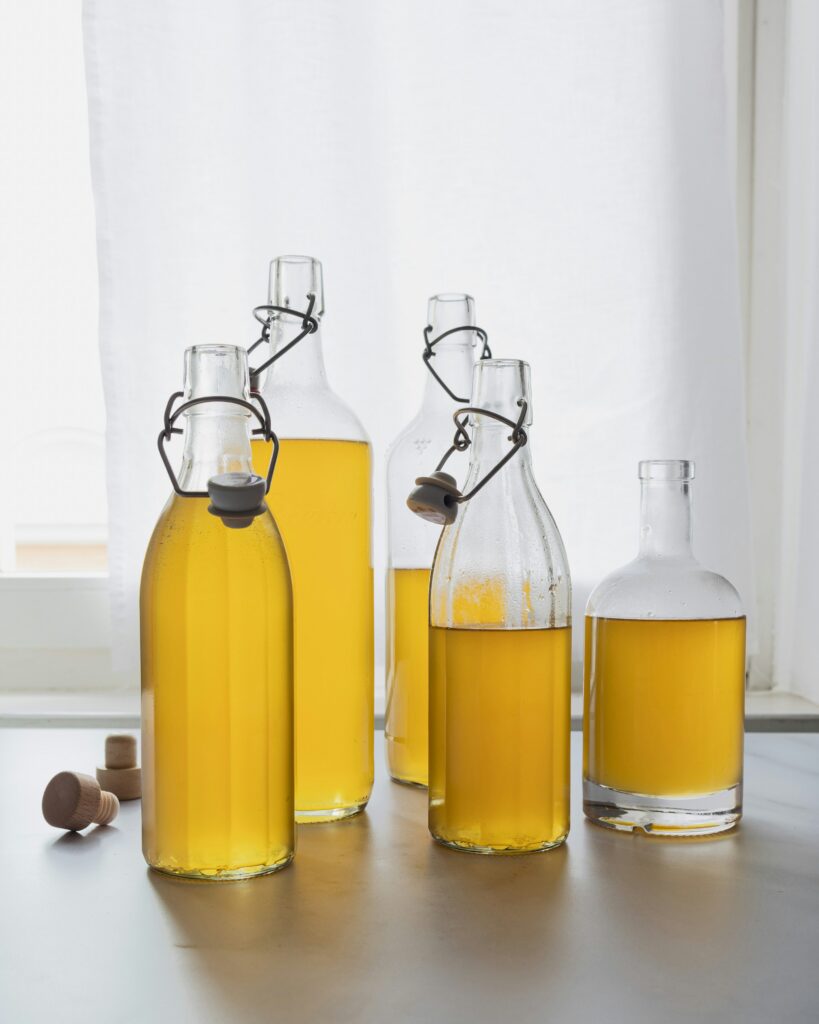
Are seed oils really bad for you? Are we supposed to be using them or not?
I’m going to be honest — this is one of those topics that can make you feel like you’re doing everything wrong. One minute you think you’re making decent choices. The next minute you read something that makes you question the oil sitting on your counter.
And at some point you just think… seriously? Now I have to rethink cooking oil too?
If you already know me, you know I’m not into extremes. I’m a mom in my 40s trying to look and feel better by making smarter choices where I can. I don’t overhaul my pantry every time something trends online. I slow it down, look at the basics, and decide what actually makes sense long term.
So that’s what we’re doing here.
We’re not panicking.
We’re not demonizing.
We’re figuring out what actually matters.
What Even Counts as a Seed Oil?
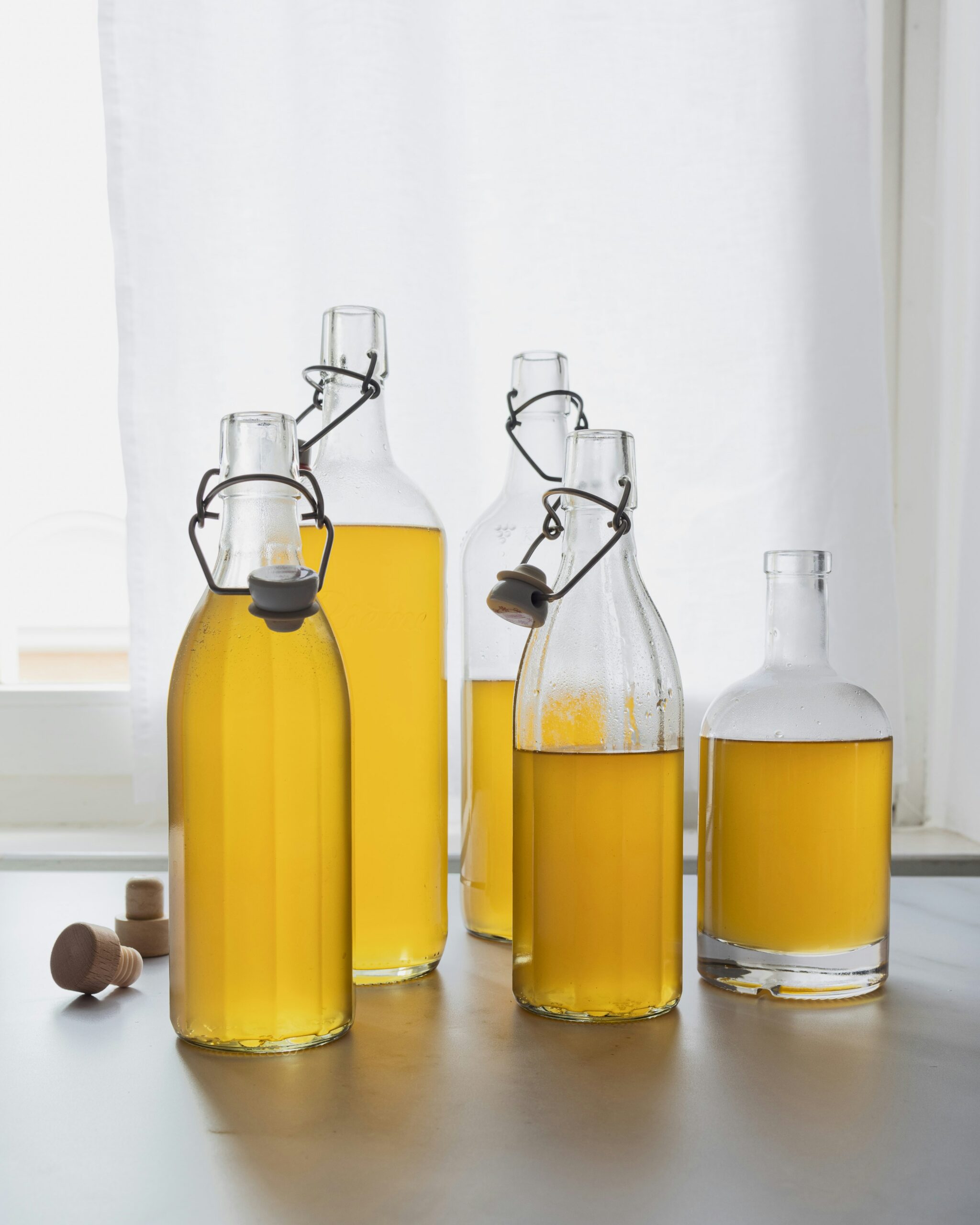
Seed oils come from seeds like canola, soybean, sunflower, safflower, corn, cottonseed, and grapeseed. They’re very common. You’ll find them in packaged snacks, salad dressings, frozen meals, chips, crackers, and restaurant food.
They became popular because they’re affordable and neutral in flavor. For years they were considered a lighter option compared to older cooking fats.
Nothing dramatic there.
The confusion started when people began looking closer at how often these oils show up in the modern diet.
Where the Concern Comes From
There are two main reasons seed oils started getting attention.
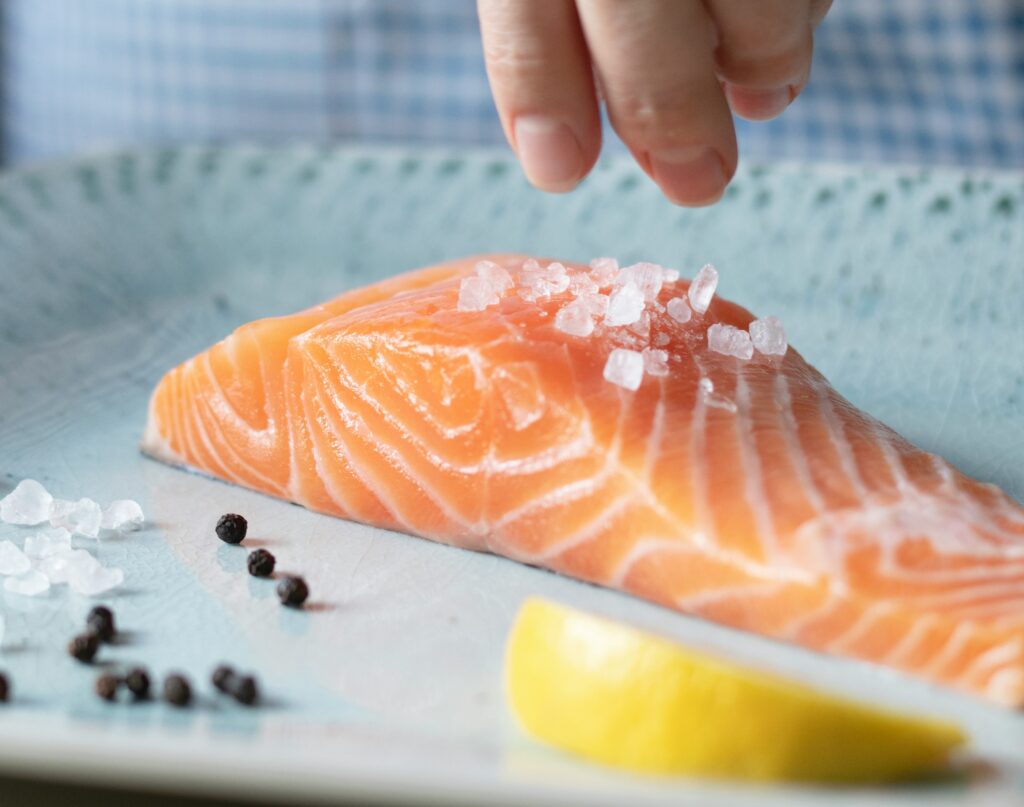
The first is omega-6 fats. Seed oils are higher in omega-6. Omega-6 isn’t bad. Your body actually needs it. The issue people talk about is balance. Many of us eat more omega-6 than omega-3.
Omega-3 fats are found in foods like salmon, chia seeds, flax seeds, and walnuts. When those foods aren’t showing up regularly, the balance between omega-6 and omega-3 can shift. Over time, that imbalance may support inflammation.
The second concern is how some seed oils are produced. Large-scale manufacturing uses heat and refining processes to extract the oil efficiently. Then in restaurant and fast-food kitchens, those oils are often heated to very high temperatures, sometimes over and over again.
Repeated high heat is where oils can start to break down.
That’s very different from you using a small amount of oil at home to cook dinner.
So… Are Seed Oils Really Bad for You?
Here’s the steady answer.
They’re not automatically harmful. And they’re not some miracle health food either.
The bigger issue usually isn’t the tablespoon of oil you use at home. It’s how often these oils show up in ultra-processed foods and deep-fried meals.
If most of your meals come from packaged snacks and takeout, that’s a different situation than cooking whole foods at home.
When oils are constantly overheated and reused, they can become unstable. That’s where the bigger concern lives.
For most of us, the real focus should be the overall pattern of eating, not one single ingredient.
The Pattern Matters More Than the Ingredient
Health rarely comes down to one thing.
If someone eats mostly vegetables, quality protein, fiber, healthy fats, and cooks at home regularly, their body is generally supported.
If someone eats mostly packaged foods, fried meals, and low-fiber snacks, their body is under more stress.
The oil is just one small piece of that bigger picture.
That’s why I look at the overall pattern first before reacting to one headline.
What Oils Make Sense to Use at Home?
Here’s how I personally approach it.
For higher heat cooking like roasting or sautéing, I reach for more stable fats:
• Avocado oil
• Ghee
• Butter in moderation
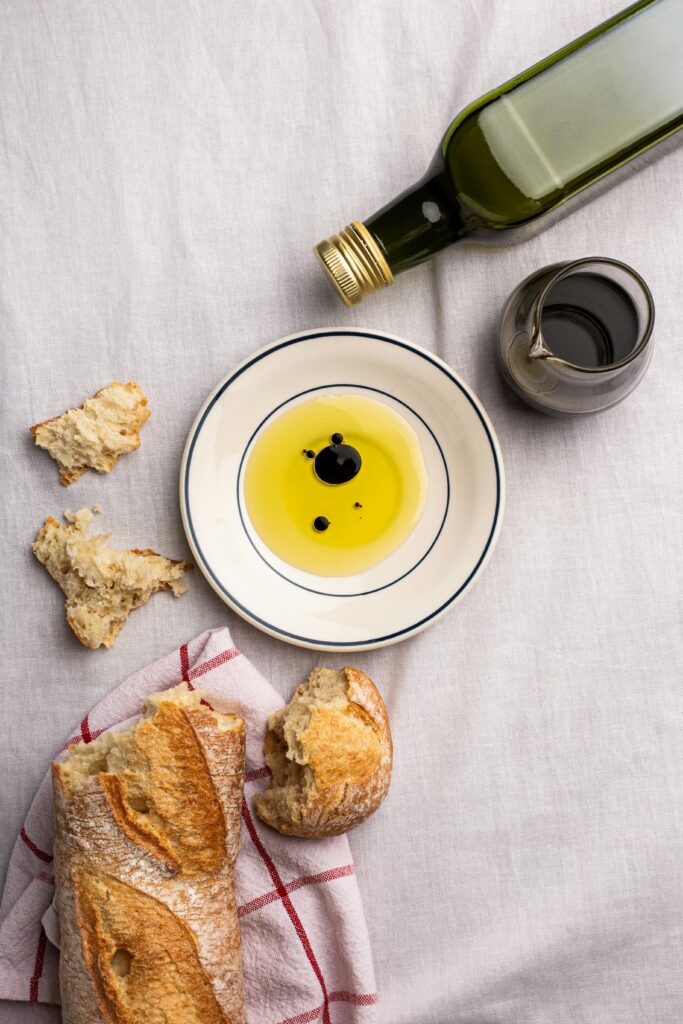
For everyday cooking at moderate heat, a good quality extra virgin olive oil works well. It’s more stable than people give it credit for and contains antioxidants that help protect it.
For salads or finishing dishes, olive oil is usually my go-to. Sometimes flax oil, but never heated.
I keep it simple.
Olive oil.
Avocado oil.
That covers almost everything.
Do You Need to Throw Everything Out?
No.
If you have canola oil sitting in your pantry, you don’t need to panic. You don’t need to toss everything and start from scratch tomorrow.
If you want to make a change, do it gradually. Finish what you have and choose differently next time.
Small upgrades over time are sustainable. Drastic overhauls rarely are.
What About Restaurants?
This is real life.
Most restaurants cook with seed oils because they’re cost-effective and neutral. Unless you’re eating somewhere very specific, you’re probably not avoiding them completely when you eat out.
That doesn’t undo your health.
If most of your meals are balanced and home-cooked, your body can handle occasional restaurant meals just fine.
Again, pattern over panic.
A Simple Way to Support Balance
If the omega-6 and omega-3 conversation concerns you, one of the easiest shifts isn’t eliminating everything.
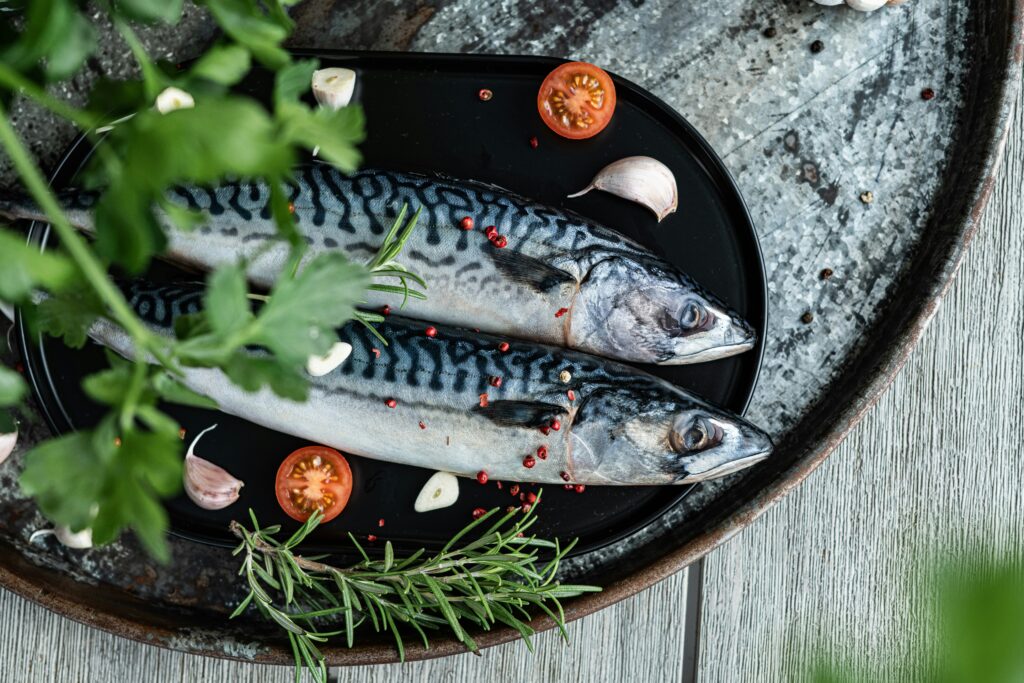
Add more omega-3 foods.
• Salmon
• Sardines
• Chia seeds
• Flax seeds
• Walnuts
Balancing often makes more sense than cutting.
Let’s Be Honest for a Minute
At some point this just gets exhausting.
Every few months there’s something new we’re supposed to question. First it was carbs. Then gluten. Then dairy. Now it’s cooking oil.
Most of us are just trying to make dinner and keep things reasonably healthy without turning it into a full research project.
So instead of reacting to every new headline, I focus on what I can actually control. I cook more at home. I choose better-quality oils when it makes sense. And I don’t spiral over the occasional restaurant meal.
That feels realistic. And realistic is what actually sticks.
The Bottom Line
Are seed oils really bad for you?
On their own, not necessarily. When they’re heavily processed, overheated repeatedly, and consumed mostly through ultra-processed foods, they’re less ideal.
If you focus on cooking more at home, choosing stable oils for higher heat, and eating mostly whole foods, you’re already doing the right things.
Healthy living doesn’t require extremes.
It requires steady choices you can maintain.
And that’s something we can actually stick with.
From my heart to yours,
Monica 💛








+ show Comments
- Hide Comments
add a comment